Being a renter comes with trade-offs. You don’t own the building, which means you have less control over what goes into it. Landlords have rules about what you can and can’t do. And when something breaks, there’s often confusion about who’s responsible for fixing it.
Appliances are a perfect example. If the oven breaks, is it the landlord’s responsibility or yours? If you buy a washer and then move, what do you do with it? If you’re not sure you’ll stay for more than a year, does it make sense to buy appliances at all?
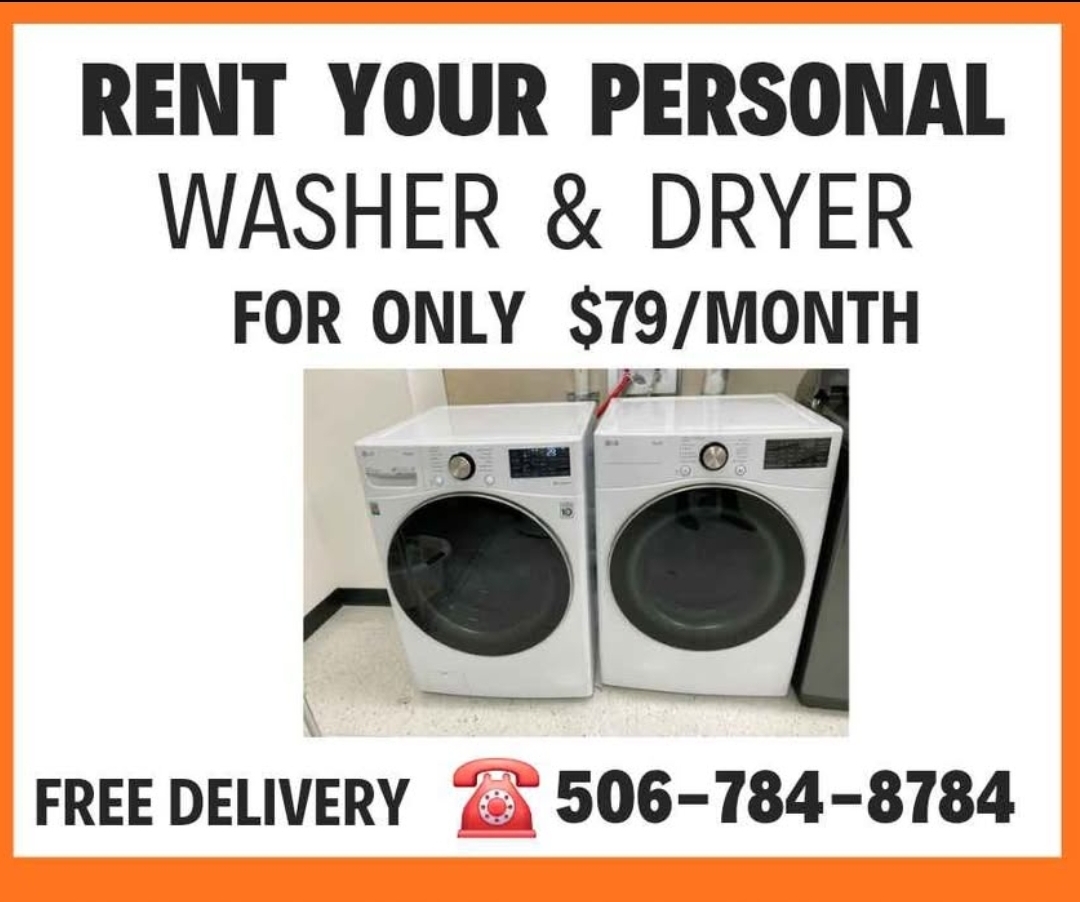
Appliance rental solves these problems perfectly. It’s why more and more renters in New Brunswick are choosing to rent rather than buy.
The Problem With Buying When You Rent a Home
Buying appliances as a renter sounds straightforward, but it quickly gets complicated:
You might move soon. Most rental situations are temporary. You might move because you found a better apartment, your lease is up, you got a job elsewhere, or your living situation changes. If you’ve invested $500-$1,500 in a washer, what do you do when you move?
You could try to sell it, but used appliances sell for 20-30% of what you paid. You’ve lost hundreds of dollars. You could try to give it away, but that’s not helpful if you need cash. You could leave it for the next tenant, but that’s not really an option—you’ve already invested money.
Landlords might object. Some landlords have specific rules about what appliances you can install. If you want to put in a dishwasher or a dryer, you might need permission. Some landlords say no. Even if they say yes, you’re still responsible for it when you leave.
You’re responsible for repairs. If the washer breaks down six months after you buy it, you pay for repairs. If you rent, the rental company handles it. As a renter dealing with money problems or living paycheck-to-paycheck, an unexpected $300 repair bill is devastating.
You’re stuck with what you buy. If you buy a washer and later decide you prefer a different size or type, you’re stuck. You can’t just upgrade. You’d have to sell the old one and buy a new one, losing money in the process.
You need somewhere to put the appliance. If you’re renting an apartment, you might not have space for your own washer and dryer. You might have to use coin laundromats or shared laundry facilities. Buying doesn’t solve this—renting does.
Why Appliance Rental Works For Renters
Rental solves each of these problems:
No commitment when you move. You’re renting an appliance, not buying it. When your lease ends and you move, you simply stop renting. You don’t lose money because you never owned it in the first place.
No landlord permission needed. Since you’re not installing anything permanently, most landlords don’t care. You’re renting a piece of equipment, not modifying their building. Confirm with your landlord, but rental usually isn’t an issue.
Repairs are covered. If something breaks, you call the rental company. They come fix it for free. No surprise bills, no stress. That peace of mind is huge when you’re not in a stable housing situation.
Upgrade or change anytime. Your needs change. Your family grows. You want a different size or type. With a rental, you can usually upgrade to a different model. You’re not stuck with your original choice.
Works in any living situation. In an apartment with no space? Rent a compact washer. In a house with a basement? Rent a full-size machine. In temporary housing? Rent whatever fits your space and situation. Flexibility is the point.
Monthly costs are predictable. You know exactly what you’ll pay each month. No surprise repair bills, no unexpected maintenance costs. Your budget stays stable.
Specific Situations Where Renters Benefit Most
Students and early-career professionals often move after a year or two for school or work. Investing in appliances doesn’t make sense. Renting means you have clean clothes without committing to something you’ll leave behind.
People in temporary housing might be staying somewhere while they figure out a permanent situation. A job relocation, a life transition, a temporary lease—renting covers these situations perfectly. You get what you need for as long as you need it.
New arrivals to New Brunswick might not be sure they’re staying long-term. Moving to Moncton or Saint John for work, but unsure if it’s permanent? Renting lets you test the city without making a major financial commitment.
People going through major life changes might be in transition. Separated, divorced, changing jobs, changing schools—these situations are temporary by nature. Renting fits these circumstances.
Budget-conscious renters benefit from predictable monthly costs and zero surprise repair bills. If you’re watching your budget carefully, renting gives you certainty.
The Numbers
Let’s compare buying vs. renting for a typical renter in New Brunswick:
Buying a washer:
- Purchase cost: $800
- Delivery & installation: $150
- Repairs over 2 years: $200-$400 (for one repair)
- Selling it when you move: $200-$300 (you lose $500-$750)
- Total cost: $1,150-$1,500 for 2 years
Renting a washer for 2 years:
- Monthly rental cost: $59
- 24 months × $59 = $1,416
- Repairs: $0 (covered)
- No loss when you move: $0
- Total cost: $1,416 for 2 years
The costs are similar, but with rental, you’re covered for repairs, you don’t lose money when you move, and you can upgrade if you want. When you factor in the flexibility and peace of mind, rental often comes out ahead for renters.
The Real Benefit: Flexibility
The biggest benefit to renters is flexibility. Your life isn’t stable right now—that’s why you’re renting. Appliance rental matches your life. You don’t have to predict what you’ll need in five years. You can get what you need for right now, and change it when your situation changes.
That flexibility is worth money, even if it’s not obvious on a spreadsheet.
Getting Started With Rental as a Renter
Here’s what you need to know:
Check with your landlord. Most landlords are fine with appliance rental since nothing is being installed permanently. Ask, but it’s usually not an issue.
Choose what you actually need. Don’t over-commit. If you might move in a year, don’t rent a huge capacity washer. Get something that fits your life right now.
Understand the agreement. Read your rental agreement and understand what’s covered, what you’re responsible for, and how much notice you need to give to cancel.
Use the appliance properly. Basic maintenance and reasonable use keep things working well. You’re not responsible for repairs, but you are responsible for not destroying something through misuse.
Ask about flexibility. Can you upgrade or change models later? Can you cancel if you move? Understanding your options before you sign makes everything simpler.
Why New Brunswick Renters Choose Option Appliance
Renters in Moncton, Saint John, Fredericton, and Sussex choose Option Appliance because:
- Fast delivery to rental apartments and temporary housing
- No long-term contracts—cancel with 30 days notice
- All repairs and maintenance included
- No surprise bills ever
- Flexible terms from a few months to multi-year arrangements
- Simple process, no complicated paperwork
If you’re renting a home and don’t want the hassle of buying and selling appliances, or if you’re uncertain about staying long-term, rental makes sense.
Final Thought
Buying appliances when you rent a home is backwards. You don’t own the building, you might move, and you’re responsible for something that could break at the worst time. Renting appliances matches your situation. You get what you need without making a long-term commitment or risking money you’ve worked hard to save.
Renters have unpredictable lives. Appliance rental lets you handle the predictable part—having clean clothes and working appliances—without adding another layer of complexity.
If you’re a renter in New Brunswick, appliance rental removes one of the biggest pain points of not owning your home. It’s a smart financial and practical choice for anyone in a temporary housing situation.