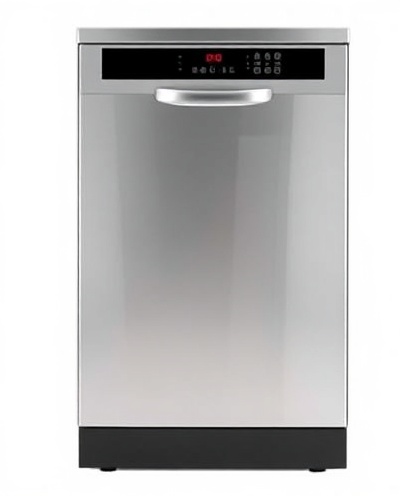
One of the best-kept secrets about renting appliances is that energy-efficient models can actually save you money every month. When you choose the right appliance, the money you save on electricity and water can offset a significant portion of your rental cost.
If you’re looking at renting an appliance, understanding which models save energy isn’t just good for the planet—it’s good for your wallet. This guide explains how energy efficiency works, what to look for, and how much you can actually save.
What Energy-Efficient Appliances Cost Less Than
Energy efficiency means an appliance does the same job while using less electricity, water, or both. A standard washing machine might use 45 gallons of water per load. An energy-efficient one uses 20 gallons and gets clothes just as clean.
The difference seems small until you multiply it by every load of laundry you do in a year. Wash three loads a week, and you’re looking at 156 loads per year. The difference between 45 gallons and 20 gallons per load adds up to about 3,900 gallons annually.
In terms of money, that difference shows up on your utility bill.
Washing Machines and Water Savings
Front-load washing machines are more energy-efficient than top-loaders, primarily because they use far less water. A typical top-load uses 40-45 gallons per load. A front-load uses 10-20 gallons.
Look for the ENERGY STAR label. ENERGY STAR certified washers use at least 25% less water and energy than standard models. Some newer models use 40% less.
Annual savings for a family doing 3 loads per week:
- Water: approximately $20-$40 per year in water costs
- Energy (heating water): approximately $30-$60 per year
- Total annual savings: $50-$100 per year
This might not sound like much, but over a multi-year rental, it adds up. If you rent for three years, $150 in savings is real money.
Dishwashers: Surprisingly Efficient
Many people think hand-washing dishes is more water-efficient than using a dishwasher. The opposite is true. A modern dishwasher uses about 3-5 gallons per cycle. Hand-washing uses 20-30 gallons because you’re running water the entire time.
ENERGY STAR certified dishwashers use about 3 gallons per cycle, which is extremely efficient. They also use less hot water overall, which means less work for your water heater.
Annual savings for running the dishwasher 4 times per week:
- Water: approximately $20-$40 per year
- Energy (heating water): approximately $25-$50 per year
- Total annual savings: $45-$90 per year
Plus, you’re not spending an hour hand-washing dishes. Time saved is another kind of savings.
Refrigerators and Freezers
If your rental includes a refrigerator, it’s likely already reasonably efficient compared to older models. Newer refrigerators use about 60% less energy than models from 20 years ago.
Keeping your refrigerator clean and not blocking airflow helps it run more efficiently:
- Keep coils clean
- Don’t stuff it so full that air can’t circulate
- Keep the door seal clean so it closes tightly
These simple habits reduce the energy it uses to stay cold.
Dryers: The Energy Trade-off
Dryers are one of the largest energy users in a home. An average electric dryer uses about 3,000-5,000 watts per load.
Energy-efficient dryers work differently:
- Heat pump dryers use about 40% less energy than standard electric dryers
- Condenser dryers (common in Europe) use significantly less energy than vented dryers
- Moisture sensors stop the cycle when clothes are dry instead of running for a set time
However, energy-efficient dryers are more expensive to buy and rent. You might pay an extra $20-$30 per month to rent a heat pump dryer instead of a standard one.
If you do a lot of laundry, the energy savings could cover that extra cost. If you do fewer loads, the extra rental fee might not be worth it.
Calculation example: Heat pump dryer vs. standard dryer
- Extra monthly rental cost: $20
- Monthly energy savings: $10-$15
- Net cost: $5-$10 more per month for an energy-efficient dryer
In some cases, it’s worth it. In others, the standard dryer makes more sense financially.
Stoves and Ovens: Less Dramatic Savings
Electric ovens have improved in efficiency, but the differences between models are smaller than with washers and dishwashers.
What matters more is how you use the stove:
- Use lids on pots to heat water faster
- Match pot size to the burner
- Use the smallest burner that fits your pot
- Don’t leave heating elements on when you’re not cooking
These habits have a bigger impact on energy use than the model you choose.
Understanding ENERGY STAR Labels
ENERGY STAR is a program run by the EPA that certifies appliances that use significantly less energy than standard models. An ENERGY STAR label means the appliance has been independently tested and verified.
When you’re choosing a rental, ask which models are ENERGY STAR certified. They usually cost the same or just slightly more to rent, but the energy savings make them worthwhile.
The Math: Is It Worth It?
Energy savings matter most if:
- You do a lot of laundry (3+ loads per week)
- You run the dishwasher frequently (4+ times per week)
- You stay in the rental for multiple years
- Your local utility rates are high
- You care about your environmental impact
In these scenarios, choosing an energy-efficient model saves you real money. The savings might be $50-$150 per year depending on which appliances you choose and how much you use them.
If you do one load of laundry per week and rarely use the dishwasher, the energy savings are smaller and might not justify a premium rental price.
Other Ways to Save on Utilities
Energy-efficient appliances are one part of the picture. You also save money by using them wisely:
For washing machines:
- Use cold water for most loads (saves $50+ per year in water heating costs)
- Wash full loads instead of partial loads
- Choose the shortest cycle that works for your laundry
For dishwashers:
- Run only full loads
- Use the air-dry setting instead of the heat-dry cycle
- Use a lower temperature setting if your dishes get clean
For dryers:
- Clean the lint trap before every load
- Dry similar fabrics together (don’t dry towels with underwear)
- Use lower heat settings
For stoves and ovens:
- Preheat only when necessary
- Use the stovetop instead of the oven when possible
- Don’t open the oven door repeatedly while cooking
These habits often save more money than buying the most efficient model.
Choosing Your Rental
When selecting an appliance to rent, ask about energy efficiency:
“Do you have ENERGY STAR certified models available?”
“What’s the difference in monthly rental cost between a standard model and an energy-efficient one?”
“What would I save on utilities by choosing the more efficient model?”
Then do the math. If an energy-efficient model costs $10 more per month to rent but saves you $12-$15 on utilities, it’s a no-brainer.
If it costs an extra $25 per month but only saves $10 on utilities, a standard model makes more financial sense.
The Real Benefit of Renting Energy-Efficient Appliances
Here’s the biggest advantage: with rental, you’re not stuck with your choice. If you rent a standard model and later decide you want to upgrade to an energy-efficient one, you can. Rental companies like Option Appliance make it easy to change your rental as your needs change.
With buying, you’re locked in for years. With renting, you have flexibility. You can try a standard model, see what your energy use is actually like, and upgrade if the savings make sense for your situation.
Final Thought
Energy-efficient appliances aren’t just good for the planet. They’re good for your budget if you use them regularly. Choose ENERGY STAR certified models when possible, especially for appliances you use frequently. Use them wisely to maximize savings.
And remember: the cheapest appliance is the one you already own. But if you’re renting a new one anyway, choosing the efficient version often pays for itself in lower utility bills.